Discover Your Creative Potential: Engaging Sewing Courses for Beginners and Experts Alike
Releasing creativity through sewing creates a welcoming channel for self-expression. Engaging lessons accommodate all skill levels, from first-timers to skilled sewists. Each session introduces essential tools and techniques, building a nurturing environment. Participants can explore various projects that ignite their imagination. As they advance, they may seek ways to enhance their abilities or stay motivated. This journey invites them to discover what lies beyond the basics.
Important Tools Every Sewist Should Own
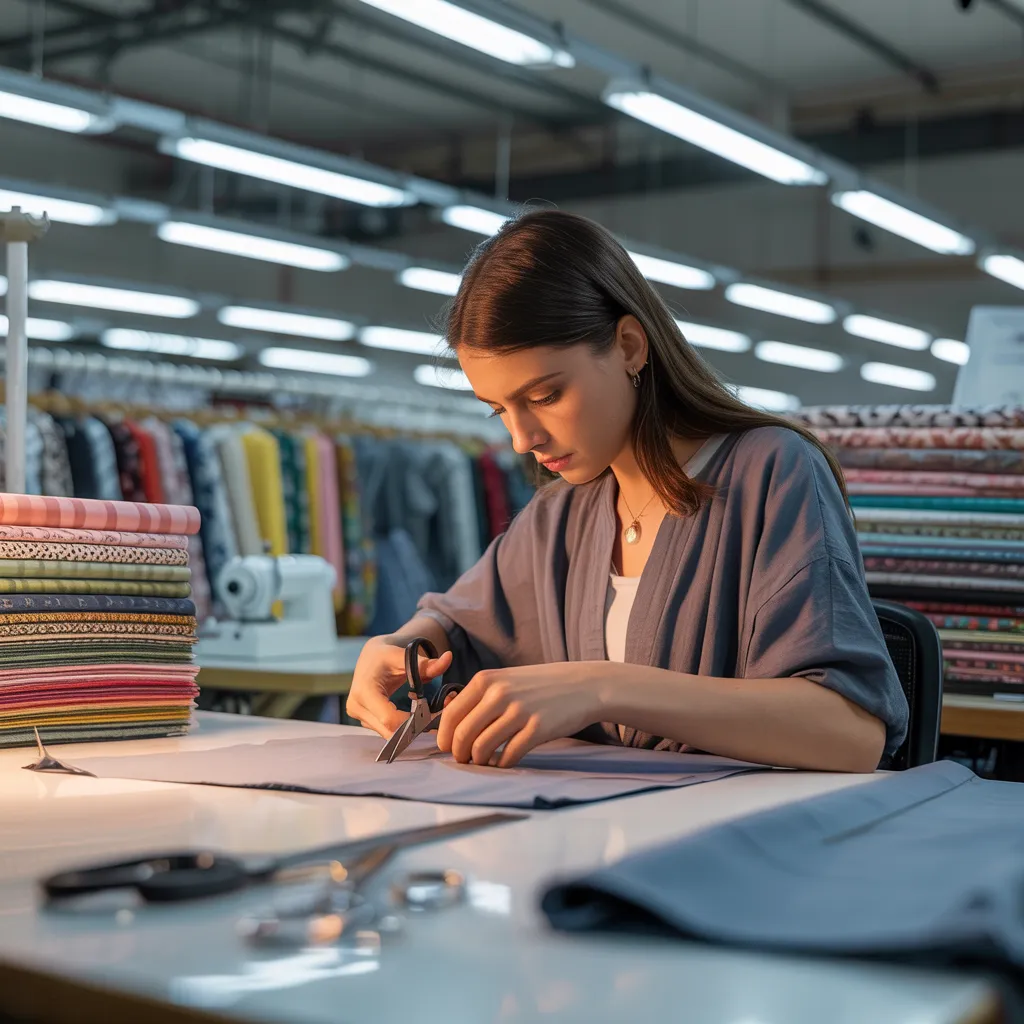
A well-equipped sewing kit is the foundation of any successful project. Key tools serve a vital role in guaranteeing both efficiency and quality. The foundation of any kit includes a sturdy pair of fabric scissors, built to make clean cuts while preventing fraying. A rotary cutter also delivers exceptional precision for complex and intricate patterns. Tools for measuring, including a tape measure and a transparent ruler, are essential for achieving precise dimensions and seam allowances.
Pins and a pincushion are essential for holding fabric in place, while a selection of needles addresses different types of fabric. Multicolored thread provides creativity and adaptability. A seam ripper, though often overlooked, is crucial for fixing errors. Finally, an iron and ironing board are fundamental for producing sharp seams and refined results. By gathering these fundamental tools, every sewist can start on their sewing journey with confidence.
Essential Sewing Skills for Beginners
Having the right tools available, novices can boldly embark on their sewing adventure by learning fundamental techniques. Core competencies like threading a needle, tying knots, and understanding sewing machine operations are indispensable. Mastering the straight line stitch is vital, as it establishes the groundwork for more intricate endeavors.
Beginners should also get familiar with different stitch types, like straight stitches and zigzag stitches, which are used for a variety of applications. Additionally, developing good fabric handling skills, like pinning and pressing, enhances accuracy and finish.
Understanding pattern reading and cutting fabric accurately is crucial for successful projects. Basic methods like applying backstitching and proper seam allowances can greatly improve the overall quality of results.
Sewing Projects to Spark Your Creativity
Exploring creative potential through sewing endeavors can elevate fundamental techniques into creative masterpieces. Engaging in various sewing projects gives sewers the opportunity to unleash their creativity while perfecting their craft. Straightforward creations like tote bags or decorative pillow covers serve as excellent starting points, enabling sewers to experiment with fabrics and patterns.
For those seeking a challenge, quilted patchwork or personalized garments can ignite a deeper sense of creativity. These endeavors not only offer a sense of achievement but also welcome individual expression, including distinctive color pairings and decorative accents.
Additionally, repurposing worn clothing into fresh designs encourages creativity and eco-consciousness, rendering sewing a dual purpose activity that nurtures creativity and environmental awareness.
By engaging in these varied projects, sewists can explore their individual inclinations and cultivate their personal aesthetic, ultimately fostering a greater appreciation for the art of sewing. These pursuits can spark additional discovery and innovation along the sewing path.
Mid-Level Sewing Techniques to Refine Your Craft
Enhancing your sewing abilities necessitates mastering mid-level methods that refine both usability and appearance. These skills help sewists to craft garments and projects that demonstrate a greater degree of workmanship. One important technique is the use of darts and pleat methods, which can mold material to achieve a more precise fit. Additionally, becoming proficient at skillfully construct zippers can elevate basic patterns into professional-looking garments.
An additional important skill is working with bias tape binding, which delivers smooth, refined edges on different types of projects. Sewists can also experiment with various stitching options, such as zigzag or decorative stitches, to add unique details. Developing the skill of accurate buttonhole making not only boosts the functional aspect but also elevates the visual appeal of a project. By incorporating these intermediate techniques, sewists can elevate their work, resulting in higher-quality and more attractive handcrafted results.
Advanced Techniques to Master in Sewing
In the world of sewing, developing advanced techniques is crucial for those seeking to elevate their abilities. Important areas of concentration include exact pattern cutting, sophisticated stitching techniques, and innovative fabric manipulation strategies. These factors not only elevate the quality of the completed work but also extend a sewist's creative potential.
Expert Pattern Cutting
Although many sewers focus primarily on fabric and stitching, perfecting precision pattern cutting is equally critical for creating professional-quality garments. This method requires meticulously measuring and cutting patterns to ensure accuracy and consistency, which significantly affects the ultimate fit and presentation of the garment. Exact pattern cutting necessitates not only the appropriate tools, like sharp rotary cutters and rulers, but also a sharp eye for detail. Sewers need to take into consideration seam allowances and fabric grain, both of which can significantly influence the result. By practicing these skills, sewers can elevate their craftsmanship, resulting in garments that not only look polished but also fit impeccably. In the end, accuracy in pattern cutting establishes the groundwork for successful sewing endeavors.
Professional Stitching Approaches
Excelling in sophisticated sewing methods elevates ordinary sewing projects into exceptional pieces of craftsmanship. These approaches, such as employing a double needle for uniform thread placement, boost the appearance and longevity of clothing pieces. Moreover, becoming skilled in approaches including French seams and flat-felled seams improves the final appearance, providing a professional touch that is often sought after. Implementing ornamental needlework, like zigzag or heirloom stitching, can bring distinctive character to each creation while fulfilling practical roles. Recognizing the complexities surrounding tension adjustments and thread types additionally enhances the sewing experience, enabling creators to achieve desired results consistently. Upon incorporating these advanced techniques, crafters can expand their abilities, thereby increasing their artistic potential and enhancing their needlework pursuits.
Fabric Manipulation Methods
Investigating fabric manipulation techniques enables crafters to enhance their creations through creative methods that enrich dimension and form. Methods such as tucking, pleating, and gathering allow crafters to incorporate depth and intricacy to their work. Additionally, draping and fabric layering can produce captivating silhouettes, while techniques like quilting and smocking offer both visual interest and functional durability. Advanced sewers may also explore techniques like bias cutting to modify how the material falls, or use heat techniques to achieve unique finishes. By mastering these techniques, crafters can significantly enhance their textile projects, allowing for artistic flair and personal expression in each stitch. Incorporating these methods not only broadens sewing skills but also inspires innovation in the crafting journey.
Staying Inspired: Tips for Your Sewing Journey
What strategies can help a sewist stay motivated along their creative path? Inspiration often ebbs and flows, making it essential to cultivate a nurturing environment. Engaging with fellow sewists via workshops or digital communities can ignite fresh concepts and offer encouragement. Furthermore, establishing realistic objectives can nurture a feeling of achievement and promote ongoing growth.
Exploring diverse methods and styles can additionally keep enthusiasm for the craft alive, as working with diverse styles and materials may fuel fresh motivation. Periodically looking back at earlier creations can allow sewists to appreciate their development and reinvigorate their creative drive.
Additionally, establishing a dedicated sewing area can provide a dedicated zone for crafting, free from disturbances. To conclude, pausing when appropriate is crucial; stepping away can result in revitalized viewpoints. By applying these approaches, those who sew can preserve their drive and experience a enriching and exciting crafting journey.
Common Questions and Answers
What Are the Ways to Address Common Sewing Machine Issues?
To resolve typical sewing machine malfunctions, one should examine the threading, maintain the bobbin area, swap out worn needles, modify tension settings, and confirm proper fabric feeding. Routine upkeep can stop many issues before they occur.
What Kinds of Fabric Work Best for Beginners?
Flannel, cotton, and muslin are perfect materials for novice sewers. Such materials are manageable, mistake-friendly, and easy to find. Their versatility allows new sewers to practice various techniques without overwhelming challenges.
How Do I Choose the Right Sewing Patterns?
Choosing the ideal sewing patterns requires assessing skill level, project complexity, and personal style. Beginners should opt for simple designs featuring clear instructions, while experienced sewists can explore more intricate patterns that test their skills and imagination.
Is It Possible to Sew Without a Sewing Machine?
Absolutely, one can complete sewing projects without a sewing machine. Manual sewing delivers precision and flexibility, making possible detailed and intricate work. Essential tools, like overview needles and thread, make a wide range of projects possible, making sewing accessible for beginners and experts alike.
What Are a Few Environmentally Friendly Sewing Practices?
Sustainable sewing methods encompass incorporating organic textiles, reusing existing fabrics, reducing waste with precise cutting techniques, opting for natural dyes, and using responsibly sourced thread. These practices encourage ecological awareness while nurturing innovation and ingenuity in fabric crafting initiatives.